Hair and Hormones: What Happens During Perimenopause and Menopause
Your hair is often one of the first places hormonal changes show up and during perimenopause and menopause, many women notice that their hair seems… well, different. Maybe it’s thinner, drier, or not as shiny as it used to be. These changes are common, but that doesn’t mean you have to accept them without options.
At Chapel Hill Wellness Collective, we help women understand how hormonal shifts affect every part of their health — including their hair — and how to support it from the inside out.
Why Hair Changes During Perimenopause and Menopause
Hormones like estrogen and progesterone play a major role in maintaining healthy hair growth. As these hormones naturally decline, androgens (such as testosterone) can become more dominant. This shift may:
- Shorten the hair growth cycle
- Cause hair to grow back more slowly
- Lead to increased shedding or thinning, particularly around the crown or part line
You may also notice that your hair’s texture changes. It can feel coarser, drier, or more brittle than before.
Common Hair Changes You Might Notice In Perimenopause and Menopause
- Thinning at the scalp or temples
- Wider part lines** or more visible scalp
- Dry, dull, or frizzy strands
- Slower growth
- Changes in curl pattern or texture
- Increased shedding after washing or brushing
These changes can be frustrating, but they’re not inevitable. In many cases they can be improved with targeted care.
Supporting Hair Health from the Inside Out
The best approach to healthy hair during menopause is whole-body wellness. Here are a few strategies we recommend:
Balance Your Hormones
If hormone fluctuations are contributing to thinning or shedding, hormone therapy may help restore balance. Even small adjustments in estrogen or progesterone levels can make a visible difference for some women.
Optimize Nutrition
Your hair relies on a steady supply of nutrients to grow strong and healthy. Be sure you’re getting enough:
- Protein for growth and strength. Avoid fad diets.
- Iron and zinc for follicle health
- Omega-3 fatty acids for shine and hydration
- Vitamin D and B vitamins for energy and cell renewal
- We love Xtresse gummies for hair support and rejuvenation
Our nutrition and wellness team can assess your diet, labs, and supplements to ensure your body (and your hair) are getting what they need.
Manage Stress
Chronic stress increases cortisol, which can disrupt your hair’s growth cycle. Mindfulness, regular exercise, and proper sleep all help reduce stress-related shedding.
Care for Your Scalp
Healthy hair starts with a healthy scalp. Consider:
- Gentle scalp massages to boost circulation
- Avoiding tight hairstyles or harsh treatments
- Using sulfate-free, moisturizing shampoos and conditioners
Consider Medical or Regenerative Options
For women experiencing more significant hair loss, we may explore advanced treatments or referrals, such as:
- Topical or oral medications (like minoxidil)
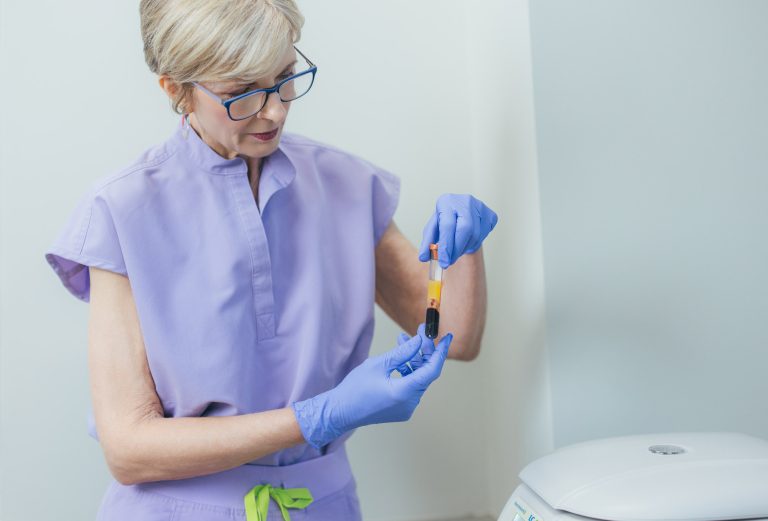
- Platelet-rich plasma (PRP) therapy
- Low-level light therapy
- Targeted treatments like “TED” ultrasound hair rejuvenation can be helpful for the scalp
Hair changes during perimenopause and menopause are normal, but they’re not untreatable. Understanding your hormones and supporting your body from the inside can help restore stronger, healthier, and more vibrant hair.
At Chapel Hill Wellness Collective, we specialize in personalized care for women navigating perimenopause and menopause. If you’ve noticed changes in your hair, skin, or overall energy, we can help you uncover the root causes and create a plan that brings your body back into balance.
Book a consultation today to learn how hormone health, nutrition, and wellness come together for better hair, and better confidence, at every stage of life.